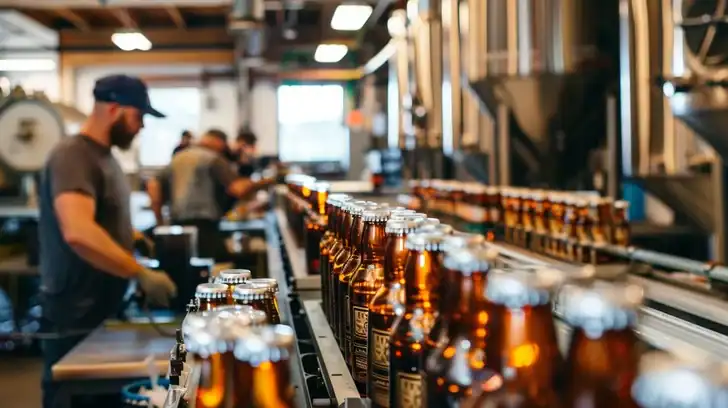
Preventing beer contamination requires rigorous equipment maintenance, proper sanitisation protocols, and comprehensive insurance protection against product recalls and business interruption losses.
Beer contamination can destroy a brewery's reputation overnight and result in devastating financial losses. Whether you're running a small craft brewery or a large commercial operation, contamination prevention must be your top priority. Understanding the most common contamination sources and implementing robust prevention strategies is essential for protecting both your product quality and your business.
Contamination in brewery production occurs when unwanted microorganisms—bacteria, wild yeasts, or moulds—infiltrate your beer at any stage of the brewing process. These contaminants can cause off-flavours, over-carbonation, spoilage, and in severe cases, safety concerns that require costly product recalls.
The Hidden Culprits: Equipment-Based Contamination
The most persistent contamination issues often stem from equipment that brewers assume is clean. Plastic brewing components, particularly those used post-fermentation, present the highest risk. Cold-side plastic equipment like fermenters, hoses, and bottling wands develop microscopic scratches over time that harbour bacteria despite thorough sanitisation efforts.
These micro-scratches create perfect hiding spots for contaminants that resist standard cleaning protocols. Even when equipment appears clean and has been properly sanitised, lingering bacteria in these scratches can contaminate entire batches. This is why many experienced brewers treat plastic components as consumables, replacing them regularly rather than attempting indefinite reuse.
Did You Know
Stainless steel and glass equipment significantly reduces contamination risk compared to plastic, as these materials don't develop the microscopic scratches that harbour persistent bacteria.
Bottling equipment requires particular attention. Spigots, bottling wands, and bottle fillers often contain internal components that don't receive adequate cleaning during standard wash cycles. These parts can accumulate residue and provide breeding grounds for contaminants that manifest after bottling, when the beer continues to develop off-flavours and unwanted carbonation.
Sanitisation Strategy: Beyond Surface Cleaning
Effective contamination prevention requires more than surface-level cleaning. Complete disassembly of equipment ensures that all surfaces that contact your wort or finished beer receive proper sanitisation. Components like ball valves, quick-disconnects, and complex fittings need to be fully dismantled to access internal surfaces where contaminants hide.
While Star San remains a popular sanitiser choice, switching between different sanitising agents can help eliminate persistent contaminants that may have developed resistance. Iodine-based sanitisers like iodophor target different microorganisms and can provide additional protection against stubborn contamination issues.
Document your sanitisation procedures and keep detailed records. In the event of a contamination incident requiring product recall, thorough documentation demonstrates your commitment to quality control and can be crucial for insurance claims.
Oxygen-based cleaners like PBW (Powdered Brewery Wash) should be used regularly for deep cleaning, not just sanitisation. These cleaners can remove buildup and biofilms that develop inside tubing and equipment over time. Regular soaking of hoses, transfer lines, and other equipment in oxygen-based cleaners helps prevent the accumulation of organic material that can harbour contaminants.
Water Quality and Environmental Factors
Water treatment is often overlooked but plays a crucial role in contamination prevention. Municipal water containing chloramines can contribute to off-flavours in finished beer. Unlike chlorine, chloramines aren't eliminated by boiling and require chemical neutralisation using campden tablets or similar agents.
The brewing environment itself can introduce contaminants through airborne particles, temperature fluctuations, and inadequate ventilation. Maintaining consistent temperatures during fermentation and storage helps prevent stress on your primary yeast, which could allow wild microorganisms to gain a foothold.
Contamination incidents can lead to significant business interruption costs beyond just the lost product. Having appropriate coverage protects your cash flow during the recovery period.
— Midland Insurance
Fermentation Management and Quality Control
Proper fermentation management is essential for contamination prevention. Ensuring fermentation reaches true completion before packaging prevents continued fermentation in bottles or cans, which can lead to over-carbonation and off-flavours that consumers may mistake for contamination.
Wild yeasts and bacteria can ferment sugars that standard brewing yeast cannot process, meaning even fully attenuated beers can develop issues if contaminated. Regular gravity readings and extended conditioning periods help ensure fermentation stability before packaging.
Temperature control during fermentation and storage is critical. Fluctuating temperatures stress yeast and can create conditions favourable to contaminant growth. Investing in proper temperature control equipment and monitoring systems provides both quality assurance and contamination prevention.
Specialised Equipment Considerations
Certain brewing equipment requires special attention due to its complexity or material composition. Oxygenation stones, being porous, can harbour contaminants that resist standard sanitising solutions. Some brewers find that boiling these components is necessary to achieve complete sterilisation.
Ball valves and complex fittings with internal mechanisms can trap residue and contaminants in areas that liquid sanitisers cannot reach effectively. These components may require disassembly for thorough cleaning or replacement if contamination persists.
Transfer lines and flexible hoses need regular inspection for wear and damage. Even small cracks or worn areas can become contamination sources that compromise otherwise sterile processes.
Financial Protection Against Contamination
Despite the best prevention efforts, contamination incidents can still occur. Having comprehensive insurance protection is essential for managing the financial impact of these events.[1] Product recall coverage helps manage the costs associated with removing contaminated products from the market, including notification expenses, transportation costs, and disposal fees.
Business interruption insurance becomes crucial when contamination issues force temporary closure or reduced production capacity.[2] This coverage helps maintain cash flow while you address contamination sources and restore normal operations.
Product liability insurance protects against claims if contaminated products cause illness or injury to consumers.[3] Even minor contamination issues can result in significant legal costs and settlement expenses that could threaten your business's financial stability.
Important Insight
Product contamination claims can extend beyond immediate recall costs to include loss of consumer confidence, brand rehabilitation expenses, and regulatory compliance costs.
Professional indemnity insurance may also be relevant if contamination issues result from errors in brewing processes, recipe formulation, or quality control procedures.[4] Comprehensive liability coverage addresses multiple contamination-related exposures that breweries face.
Best Practices for Contamination Prevention
Implementing a comprehensive contamination prevention program requires attention to multiple areas simultaneously. Regular equipment replacement schedules, particularly for plastic components, help prevent the buildup of contamination sources over time.
Staff training is equally important. Ensuring all team members understand proper sanitisation procedures, equipment handling, and quality control measures creates multiple layers of protection against contamination.
Environmental controls, including air filtration, proper ventilation, and pest management, address contamination sources that might not be immediately apparent but can significantly impact product quality.
Understanding brewery-specific insurance best practices helps you develop a comprehensive risk management strategy that addresses both prevention and financial protection aspects of contamination risk.
Quality Assurance and Testing
Regular testing throughout the brewing process helps identify contamination issues early, before they affect large quantities of product. Implementing quality control checkpoints at critical stages allows for quick intervention if problems arise.
Maintaining detailed batch records helps identify patterns and potential contamination sources when issues do occur. These records also demonstrate due diligence to regulators and insurance providers in the event of claims.
Storage conditions for finished products require ongoing monitoring to ensure contamination doesn't develop post-packaging. Proper storage temperatures and handling procedures maintain product quality from brewery to consumer.
Insurance Market Trends and Brewery Risks
The Australian brewery insurance market has seen significant changes in recent years, with premium increases reflecting growing awareness of product contamination risks and their potential financial impact.[5]
Insurers increasingly recognise that brewery contamination can result from multiple causes, including equipment failure, human error, and environmental factors. This understanding has led to more comprehensive coverage options that address the full spectrum of contamination-related risks.
Regulatory requirements continue to evolve, with food safety standards becoming more stringent.[6] Having appropriate insurance coverage helps manage compliance costs and provides protection against regulatory penalties that may arise from contamination incidents.
Next Steps / How Midland Helps
At Midland Insurance, we understand the unique challenges facing Australian breweries and the critical importance of contamination prevention and financial protection. Our specialised brewery insurance programs provide comprehensive coverage tailored to your specific risks and operations.
We work closely with brewery owners to assess contamination risks, implement appropriate prevention strategies, and structure insurance coverage that provides genuine protection when you need it most. Our team understands the brewing industry's technical challenges and regulatory requirements, ensuring your coverage addresses real-world scenarios.
Our brewery insurance fact sheet provides detailed information about coverage options and risk management strategies specific to brewing operations.
Note: This article provides general information only and does not constitute financial or insurance advice. Always seek professional guidance before making coverage decisions.
For expert advice on protecting your brewery against contamination risks, contact our team at 1300 306 571 or email info@midlandinsurance.com.au. As Australia's trusted insurance brokerage for businesses and professionals, we're committed to helping you maintain both product quality and financial security.
Sources
- Xu, J., & Zhao, X. (2023). The value of product recall insurance in a price competition. European Journal of Operational Research. https://www.sciencedirect.com/science/article/pii/S0377221722007780
- Morgan, J. (2021). The Supreme Court on Business Interruption Insurance and COVID-19: trends, implications and lessons learned. Insurance Law Journal. https://www.tandfonline.com/doi/full/10.1080/09615768.2021.1889145
- Garofalo, C., et al. (2022). Beer Safety: New Challenges and Future Trends within Craft and Large-Scale Brewing. Foods. https://pubmed.ncbi.nlm.nih.gov/36076878/
- Ogunbanwo, S.T. (2021). A review on microbial degradation of drinks and infectious diseases associated with fruit juice and alcoholic beverage consumption. Annals of Science and Technology. https://www.sciencedirect.com/science/article/pii/S1018364720304067
- World Health Organisation. (2024). Food safety. WHO. https://www.who.int/news-room/fact-sheets/detail/food-safety
- World Health Organisation. (2022). WHO global strategy for food safety 2022–2030. WHO. https://www.who.int/publications/b/64838
Preventing beer contamination requires rigorous equipment maintenance, proper sanitisation protocols, and comprehensive insurance protection against product recalls and business interruption losses.
Beer contamination can destroy a brewery's reputation overnight and result in devastating financial losses. Whether you're running a small craft brewery or a large commercial operation, contamination prevention must be your top priority. Understanding the most common contamination sources and implementing robust prevention strategies is essential for protecting both your product quality and your business.
Contamination in brewery production occurs when unwanted microorganisms—bacteria, wild yeasts, or moulds—infiltrate your beer at any stage of the brewing process. These contaminants can cause off-flavours, over-carbonation, spoilage, and in severe cases, safety concerns that require costly product recalls.
The Hidden Culprits: Equipment-Based Contamination
The most persistent contamination issues often stem from equipment that brewers assume is clean. Plastic brewing components, particularly those used post-fermentation, present the highest risk. Cold-side plastic equipment like fermenters, hoses, and bottling wands develop microscopic scratches over time that harbour bacteria despite thorough sanitisation efforts.
These micro-scratches create perfect hiding spots for contaminants that resist standard cleaning protocols. Even when equipment appears clean and has been properly sanitised, lingering bacteria in these scratches can contaminate entire batches. This is why many experienced brewers treat plastic components as consumables, replacing them regularly rather than attempting indefinite reuse.
Did You Know
Stainless steel and glass equipment significantly reduces contamination risk compared to plastic, as these materials don't develop the microscopic scratches that harbour persistent bacteria.
Bottling equipment requires particular attention. Spigots, bottling wands, and bottle fillers often contain internal components that don't receive adequate cleaning during standard wash cycles. These parts can accumulate residue and provide breeding grounds for contaminants that manifest after bottling, when the beer continues to develop off-flavours and unwanted carbonation.
Sanitisation Strategy: Beyond Surface Cleaning
Effective contamination prevention requires more than surface-level cleaning. Complete disassembly of equipment ensures that all surfaces that contact your wort or finished beer receive proper sanitisation. Components like ball valves, quick-disconnects, and complex fittings need to be fully dismantled to access internal surfaces where contaminants hide.
While Star San remains a popular sanitiser choice, switching between different sanitising agents can help eliminate persistent contaminants that may have developed resistance. Iodine-based sanitisers like iodophor target different microorganisms and can provide additional protection against stubborn contamination issues.
Document your sanitisation procedures and keep detailed records. In the event of a contamination incident requiring product recall, thorough documentation demonstrates your commitment to quality control and can be crucial for insurance claims.
Oxygen-based cleaners like PBW (Powdered Brewery Wash) should be used regularly for deep cleaning, not just sanitisation. These cleaners can remove buildup and biofilms that develop inside tubing and equipment over time. Regular soaking of hoses, transfer lines, and other equipment in oxygen-based cleaners helps prevent the accumulation of organic material that can harbour contaminants.
Water Quality and Environmental Factors
Water treatment is often overlooked but plays a crucial role in contamination prevention. Municipal water containing chloramines can contribute to off-flavours in finished beer. Unlike chlorine, chloramines aren't eliminated by boiling and require chemical neutralisation using campden tablets or similar agents.
The brewing environment itself can introduce contaminants through airborne particles, temperature fluctuations, and inadequate ventilation. Maintaining consistent temperatures during fermentation and storage helps prevent stress on your primary yeast, which could allow wild microorganisms to gain a foothold.
Contamination incidents can lead to significant business interruption costs beyond just the lost product. Having appropriate coverage protects your cash flow during the recovery period.
— Midland Insurance
Fermentation Management and Quality Control
Proper fermentation management is essential for contamination prevention. Ensuring fermentation reaches true completion before packaging prevents continued fermentation in bottles or cans, which can lead to over-carbonation and off-flavours that consumers may mistake for contamination.
Wild yeasts and bacteria can ferment sugars that standard brewing yeast cannot process, meaning even fully attenuated beers can develop issues if contaminated. Regular gravity readings and extended conditioning periods help ensure fermentation stability before packaging.
Temperature control during fermentation and storage is critical. Fluctuating temperatures stress yeast and can create conditions favourable to contaminant growth. Investing in proper temperature control equipment and monitoring systems provides both quality assurance and contamination prevention.
Specialised Equipment Considerations
Certain brewing equipment requires special attention due to its complexity or material composition. Oxygenation stones, being porous, can harbour contaminants that resist standard sanitising solutions. Some brewers find that boiling these components is necessary to achieve complete sterilisation.
Ball valves and complex fittings with internal mechanisms can trap residue and contaminants in areas that liquid sanitisers cannot reach effectively. These components may require disassembly for thorough cleaning or replacement if contamination persists.
Transfer lines and flexible hoses need regular inspection for wear and damage. Even small cracks or worn areas can become contamination sources that compromise otherwise sterile processes.
Financial Protection Against Contamination
Despite the best prevention efforts, contamination incidents can still occur. Having comprehensive insurance protection is essential for managing the financial impact of these events.[1] Product recall coverage helps manage the costs associated with removing contaminated products from the market, including notification expenses, transportation costs, and disposal fees.
Business interruption insurance becomes crucial when contamination issues force temporary closure or reduced production capacity.[2] This coverage helps maintain cash flow while you address contamination sources and restore normal operations.
Product liability insurance protects against claims if contaminated products cause illness or injury to consumers.[3] Even minor contamination issues can result in significant legal costs and settlement expenses that could threaten your business's financial stability.
Important Insight
Product contamination claims can extend beyond immediate recall costs to include loss of consumer confidence, brand rehabilitation expenses, and regulatory compliance costs.
Professional indemnity insurance may also be relevant if contamination issues result from errors in brewing processes, recipe formulation, or quality control procedures.[4] Comprehensive liability coverage addresses multiple contamination-related exposures that breweries face.
Best Practices for Contamination Prevention
Implementing a comprehensive contamination prevention program requires attention to multiple areas simultaneously. Regular equipment replacement schedules, particularly for plastic components, help prevent the buildup of contamination sources over time.
Staff training is equally important. Ensuring all team members understand proper sanitisation procedures, equipment handling, and quality control measures creates multiple layers of protection against contamination.
Environmental controls, including air filtration, proper ventilation, and pest management, address contamination sources that might not be immediately apparent but can significantly impact product quality.
Understanding brewery-specific insurance best practices helps you develop a comprehensive risk management strategy that addresses both prevention and financial protection aspects of contamination risk.
Quality Assurance and Testing
Regular testing throughout the brewing process helps identify contamination issues early, before they affect large quantities of product. Implementing quality control checkpoints at critical stages allows for quick intervention if problems arise.
Maintaining detailed batch records helps identify patterns and potential contamination sources when issues do occur. These records also demonstrate due diligence to regulators and insurance providers in the event of claims.
Storage conditions for finished products require ongoing monitoring to ensure contamination doesn't develop post-packaging. Proper storage temperatures and handling procedures maintain product quality from brewery to consumer.
Insurance Market Trends and Brewery Risks
The Australian brewery insurance market has seen significant changes in recent years, with premium increases reflecting growing awareness of product contamination risks and their potential financial impact.[5]
Insurers increasingly recognise that brewery contamination can result from multiple causes, including equipment failure, human error, and environmental factors. This understanding has led to more comprehensive coverage options that address the full spectrum of contamination-related risks.
Regulatory requirements continue to evolve, with food safety standards becoming more stringent.[6] Having appropriate insurance coverage helps manage compliance costs and provides protection against regulatory penalties that may arise from contamination incidents.
Next Steps / How Midland Helps
At Midland Insurance, we understand the unique challenges facing Australian breweries and the critical importance of contamination prevention and financial protection. Our specialised brewery insurance programs provide comprehensive coverage tailored to your specific risks and operations.
We work closely with brewery owners to assess contamination risks, implement appropriate prevention strategies, and structure insurance coverage that provides genuine protection when you need it most. Our team understands the brewing industry's technical challenges and regulatory requirements, ensuring your coverage addresses real-world scenarios.
Our brewery insurance fact sheet provides detailed information about coverage options and risk management strategies specific to brewing operations.
Note: This article provides general information only and does not constitute financial or insurance advice. Always seek professional guidance before making coverage decisions.
For expert advice on protecting your brewery against contamination risks, contact our team at 1300 306 571 or email info@midlandinsurance.com.au. As Australia's trusted insurance brokerage for businesses and professionals, we're committed to helping you maintain both product quality and financial security.
Sources
- Xu, J., & Zhao, X. (2023). The value of product recall insurance in a price competition. European Journal of Operational Research. https://www.sciencedirect.com/science/article/pii/S0377221722007780
- Morgan, J. (2021). The Supreme Court on Business Interruption Insurance and COVID-19: trends, implications and lessons learned. Insurance Law Journal. https://www.tandfonline.com/doi/full/10.1080/09615768.2021.1889145
- Garofalo, C., et al. (2022). Beer Safety: New Challenges and Future Trends within Craft and Large-Scale Brewing. Foods. https://pubmed.ncbi.nlm.nih.gov/36076878/
- Ogunbanwo, S.T. (2021). A review on microbial degradation of drinks and infectious diseases associated with fruit juice and alcoholic beverage consumption. Annals of Science and Technology. https://www.sciencedirect.com/science/article/pii/S1018364720304067
- World Health Organisation. (2024). Food safety. WHO. https://www.who.int/news-room/fact-sheets/detail/food-safety
- World Health Organisation. (2022). WHO global strategy for food safety 2022–2030. WHO. https://www.who.int/publications/b/64838