Brewery equipment costs in Australia range from under $200 for basic homebrew setups to over $150,000 for commercial operations, with most serious homebrewers investing $1,000+ in all-grain systems and commercial breweries needing comprehensive insurance to protect these significant investments.
Starting a brewery in Australia involves substantial equipment investments that can make or break your business venture. Whether you're a passionate homebrewer looking to scale up or an entrepreneur planning a commercial brewery, understanding brewery equipment costs is crucial for proper budgeting and risk management.
The brewing industry has experienced remarkable growth across Australia, with craft breweries becoming increasingly popular from Sydney's inner west to Perth's emerging beer districts. However, the significant capital required for brewing equipment means that proper insurance protection becomes essential from day one of operations.
Homebrew Equipment Costs: Starting Small
For those dipping their toes into brewing, entry-level costs remain surprisingly accessible. Basic homebrew kits start under $200, making brewing an attractive hobby for beer enthusiasts. These starter kits typically include essential components like fermenters, airlocks, and bottling equipment.
However, the brewing community consistently reports that initial savings don't last long. Most serious homebrewers find themselves upgrading equipment within their first year, with all-grain brewing systems often exceeding $1,000. Temperature control equipment, additional fermenters, and quality ingredients quickly add to the investment.
Important Insight
Fresh wort kits are recommended over basic extract kits for beginners, offering better flavour profiles and simpler brewing processes while maintaining cost-effectiveness.
The key factors driving homebrew equipment costs include:
- System complexity: All-grain setups require mash tuns, heat exchangers, and pumps
- Batch size: Larger volumes demand bigger vessels and stronger heating elements
- Temperature control: Fermentation refrigerators and heating systems add significant costs
- Automation: Electronic controllers and monitoring systems increase investment
Many homebrewers discover that while per-batch costs remain around $50-70 for 19-20 litres, the ongoing equipment upgrades often neutralise monetary savings. The hobby's appeal lies more in quality control and creative satisfaction than pure cost reduction.
Commercial Brewery Equipment Investment
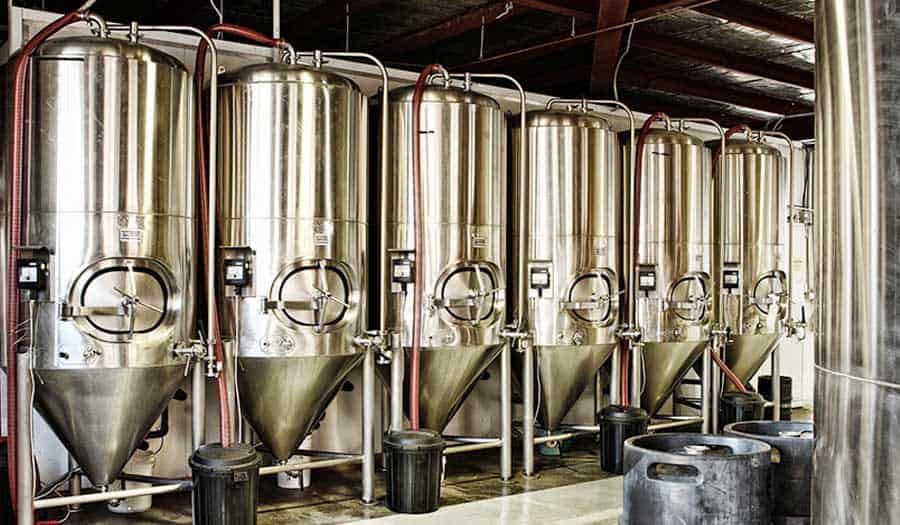
Commercial brewery operations represent a significant step up in both complexity and cost. Industry estimates suggest budgeting $100,000 to $150,000 for basic commercial brewing equipment in Australia. This substantial investment covers essential components including cleaning-in-place (CIP) systems and hygienic design elements that are fundamental to modern brewery operations[1]:
- Brewhouse systems (mash tuns, lauter tuns, boil kettles)
- Fermentation tanks and bright beer tanks
- Cooling systems and glycol chillers
- Packaging equipment (bottling lines, canning systems)
- Quality control laboratory equipment
- CIP (Clean-in-Place) systems
The actual investment varies significantly based on production capacity, automation level, and whether equipment is purchased new or used. Many Australian craft breweries start with smaller systems and expand capacity as demand grows.
Commercial brewing equipment represents one of the largest capital investments in starting a brewery business, making proper insurance coverage essential to protect against equipment breakdown, theft, or natural disaster damage.
— Midland Insurance
Location also impacts costs substantially. Urban breweries face higher real estate costs but benefit from better access to suppliers and customers. Regional locations may offer cost savings on premises but require additional investment in logistics and potentially backup equipment due to slower service response times.
Hidden Costs and Ongoing Expenses
Beyond the initial equipment purchase, brewery operators must budget for ongoing operational expenses that significantly impact profitability:
Installation and Setup
Professional installation often adds 20-30% to equipment costs. This includes electrical work, plumbing, flooring modifications, and ventilation systems. Many brewery equipment suppliers offer turnkey installation services, but costs vary widely based on facility complexity.
Maintenance and Replacement
Brewing equipment requires regular maintenance to ensure product quality and safety. Annual maintenance costs typically range from 5-10% of equipment value. Components like pumps, gaskets, and heating elements need periodic replacement, while larger items like tanks may require refurbishment after several years of use.
Regulatory Compliance
Australian breweries must meet stringent food safety and manufacturing standards. This includes investment in cleaning systems, water treatment, and quality testing equipment necessary for regulatory compliance in modern brewery operations[2]. Regular calibration and compliance auditing add ongoing costs that many new operators underestimate.
Equipment Protection Strategy
Consider comprehensive equipment breakdown insurance that covers both mechanical failure and electrical damage. Many policies also include business interruption coverage to protect revenue during equipment repairs.
Understanding these hidden costs helps brewery owners make informed decisions about brewery insurance coverage options that protect their investment comprehensively.
Financing and Risk Management Considerations
The substantial capital requirements for brewery equipment create significant financial risks that require careful management. Many brewery startups explore various financing options including:
- Traditional business loans secured against equipment
- Equipment leasing arrangements
- Investor partnerships
- Government grants for manufacturing businesses
Each financing method carries different risk profiles and insurance implications. Leased equipment typically requires specific coverage terms and optimal maintenance policies that differ from owned equipment arrangements[3], while owned equipment allows more flexibility in policy structure.
Import Considerations
Many brewery operators import specialised equipment from Europe, the United States, or Asia to access specific technologies or cost savings. Import duties and tariffs can add significant costs, with some brewery equipment categories subject to tariff rates that impact overall project budgets.
Currency fluctuations also create risk for international equipment purchases. Forward currency contracts can provide protection, but this adds another layer of financial complexity for brewery startups.
For brewery operators considering comprehensive risk management, insurance best practices for Australian breweries provide valuable guidance on protecting equipment investments throughout the business lifecycle.
Regional Variations and Market Factors
Brewery equipment costs vary significantly across Australian regions due to several factors including transport logistics, local labour costs, and market competition.
Metropolitan vs Regional Operations
Metropolitan areas offer advantages in equipment sourcing and service availability but come with higher installation and operational costs. Regional breweries may achieve lower overall setup costs but face challenges in accessing specialised technical support and replacement parts.
Market Trends Affecting Costs
The Australian brewing industry has seen equipment costs influenced by several trends:
- Increasing demand for stainless steel driving raw material costs higher
- Growing interest in sustainable brewing technologies
- Automation trends requiring higher initial investment but lower operational costs
- Craft beer market growth creating competition for quality equipment
Did You Know
The Australian craft beer market has grown by over 20% annually in recent years, driving increased competition for quality brewing equipment and pushing prices higher across all categories.
These market dynamics make it essential for brewery operators to understand how rising insurance premiums are affecting brewery operations across the industry[4] and budget accordingly.
Quality Control and Safety Equipment
Modern brewery operations require significant investment in quality control and safety equipment that's often overlooked in initial budgeting. This includes:
- Laboratory testing equipment for alcohol content, pH, and contamination
- Safety systems including emergency stops and pressure relief valves
- Environmental monitoring for temperature and humidity
- Fire suppression systems designed for brewing environments
These systems not only ensure product quality and worker safety but may be required for insurance coverage. Many policies include specific requirements for safety equipment installation and maintenance, reflecting the importance of legal compliance in occupational health and safety management[5].
Technology Integration Costs
Contemporary breweries increasingly integrate digital monitoring and control systems that add both capability and cost. Automated systems can reduce labour costs and improve consistency but require higher initial investment and ongoing software licensing.
The decision between manual and automated systems often comes down to production volume and available labour. Smaller operations may find manual systems more cost-effective, while larger breweries benefit from automation despite higher equipment costs.
Planning for Growth and Scalability
Successful brewery planning requires considering future expansion needs when making initial equipment investments. Many operators find that installing oversized infrastructure components (electrical, cooling, CIP systems) initially costs less than retrofitting later.
Modular equipment systems allow gradual capacity increases without complete replacement of existing investment. This approach helps manage cash flow while maintaining flexibility for growth opportunities.
For growing businesses, business pack insurance options can provide comprehensive coverage that scales with operations and equipment expansion.
Scalable Coverage Planning
Structure your insurance policies to accommodate business growth. Many insurers offer automatic coverage increases and flexible policy terms that adapt to expanding brewery operations without requiring complete policy rewrites.
Next Steps: Protecting Your Brewery Investment
Understanding brewery equipment costs is just the beginning of successful brewery operations. The substantial capital investment required makes comprehensive insurance protection essential from day one.
At Midland Insurance, we understand the unique risks facing Australia's brewing industry. Our experienced team works with brewery operators across the country to develop tailored insurance solutions that protect equipment investments, business operations, and future growth plans.
Our brewery insurance programs are specifically designed for the Australian brewing industry, covering everything from equipment breakdown to public liability and product recall protection.
Whether you're planning a homebrew setup that's growing beyond hobby level or establishing a commercial brewery operation, our team can help you understand your insurance options and ensure your equipment investment is properly protected.
Contact Midland Insurance today on 1300 306 571 or email contact@midlandinsurance.com.au to discuss your brewery insurance needs. As Australia's trusted insurance brokerage for businesses and professionals, we're committed to helping you protect what matters most to your brewing success.
Sources
- Author. (2025). Hygienic design and cleaning-in-place (CIP) systems in brewery operations. ScienceDirect. https://www.sciencedirect.com/science/article/pii/B9780323996068000158
- Author. (2020). Membrane technology for brewery wastewater treatment. ScienceDirect. https://www.sciencedirect.com/science/article/pii/B9780128168233000101
- Author. (2021). Maintenance service strategy for leased equipment considerations. ScienceDirect. https://www.sciencedirect.com/science/article/pii/S0360835221001613
- Author. (2025). Insurance sector navigating significant price-risk adjustment impacts. Springer. https://link.springer.com/article/10.1057/s11369-025-00387-5
- Author. (2020). Management of legal compliance in occupational health and safety requirements. ScienceDirect. https://www.sciencedirect.com/science/article/pii/S0925753519303327
Note: This article provides general information only and does not constitute financial or insurance advice. Always seek professional guidance before making coverage decisions.
Brewery equipment costs in Australia range from under $200 for basic homebrew setups to over $150,000 for commercial operations, with most serious homebrewers investing $1,000+ in all-grain systems and commercial breweries needing comprehensive insurance to protect these significant investments.
Starting a brewery in Australia involves substantial equipment investments that can make or break your business venture. Whether you're a passionate homebrewer looking to scale up or an entrepreneur planning a commercial brewery, understanding brewery equipment costs is crucial for proper budgeting and risk management.
The brewing industry has experienced remarkable growth across Australia, with craft breweries becoming increasingly popular from Sydney's inner west to Perth's emerging beer districts. However, the significant capital required for brewing equipment means that proper insurance protection becomes essential from day one of operations.
Homebrew Equipment Costs: Starting Small
For those dipping their toes into brewing, entry-level costs remain surprisingly accessible. Basic homebrew kits start under $200, making brewing an attractive hobby for beer enthusiasts. These starter kits typically include essential components like fermenters, airlocks, and bottling equipment.
However, the brewing community consistently reports that initial savings don't last long. Most serious homebrewers find themselves upgrading equipment within their first year, with all-grain brewing systems often exceeding $1,000. Temperature control equipment, additional fermenters, and quality ingredients quickly add to the investment.
Important Insight
Fresh wort kits are recommended over basic extract kits for beginners, offering better flavour profiles and simpler brewing processes while maintaining cost-effectiveness.
The key factors driving homebrew equipment costs include:
- System complexity: All-grain setups require mash tuns, heat exchangers, and pumps
- Batch size: Larger volumes demand bigger vessels and stronger heating elements
- Temperature control: Fermentation refrigerators and heating systems add significant costs
- Automation: Electronic controllers and monitoring systems increase investment
Many homebrewers discover that while per-batch costs remain around $50-70 for 19-20 litres, the ongoing equipment upgrades often neutralise monetary savings. The hobby's appeal lies more in quality control and creative satisfaction than pure cost reduction.
Commercial Brewery Equipment Investment
Commercial brewery operations represent a significant step up in both complexity and cost. Industry estimates suggest budgeting $100,000 to $150,000 for basic commercial brewing equipment in Australia. This substantial investment covers essential components including cleaning-in-place (CIP) systems and hygienic design elements that are fundamental to modern brewery operations[1]:
- Brewhouse systems (mash tuns, lauter tuns, boil kettles)
- Fermentation tanks and bright beer tanks
- Cooling systems and glycol chillers
- Packaging equipment (bottling lines, canning systems)
- Quality control laboratory equipment
- CIP (Clean-in-Place) systems
The actual investment varies significantly based on production capacity, automation level, and whether equipment is purchased new or used. Many Australian craft breweries start with smaller systems and expand capacity as demand grows.
Commercial brewing equipment represents one of the largest capital investments in starting a brewery business, making proper insurance coverage essential to protect against equipment breakdown, theft, or natural disaster damage.
— Midland Insurance
Location also impacts costs substantially. Urban breweries face higher real estate costs but benefit from better access to suppliers and customers. Regional locations may offer cost savings on premises but require additional investment in logistics and potentially backup equipment due to slower service response times.
Hidden Costs and Ongoing Expenses
Beyond the initial equipment purchase, brewery operators must budget for ongoing operational expenses that significantly impact profitability:
Installation and Setup
Professional installation often adds 20-30% to equipment costs. This includes electrical work, plumbing, flooring modifications, and ventilation systems. Many brewery equipment suppliers offer turnkey installation services, but costs vary widely based on facility complexity.
Maintenance and Replacement
Brewing equipment requires regular maintenance to ensure product quality and safety. Annual maintenance costs typically range from 5-10% of equipment value. Components like pumps, gaskets, and heating elements need periodic replacement, while larger items like tanks may require refurbishment after several years of use.
Regulatory Compliance
Australian breweries must meet stringent food safety and manufacturing standards. This includes investment in cleaning systems, water treatment, and quality testing equipment necessary for regulatory compliance in modern brewery operations[2]. Regular calibration and compliance auditing add ongoing costs that many new operators underestimate.
Equipment Protection Strategy
Consider comprehensive equipment breakdown insurance that covers both mechanical failure and electrical damage. Many policies also include business interruption coverage to protect revenue during equipment repairs.
Understanding these hidden costs helps brewery owners make informed decisions about brewery insurance coverage options that protect their investment comprehensively.
Financing and Risk Management Considerations
The substantial capital requirements for brewery equipment create significant financial risks that require careful management. Many brewery startups explore various financing options including:
- Traditional business loans secured against equipment
- Equipment leasing arrangements
- Investor partnerships
- Government grants for manufacturing businesses
Each financing method carries different risk profiles and insurance implications. Leased equipment typically requires specific coverage terms and optimal maintenance policies that differ from owned equipment arrangements[3], while owned equipment allows more flexibility in policy structure.
Import Considerations
Many brewery operators import specialised equipment from Europe, the United States, or Asia to access specific technologies or cost savings. Import duties and tariffs can add significant costs, with some brewery equipment categories subject to tariff rates that impact overall project budgets.
Currency fluctuations also create risk for international equipment purchases. Forward currency contracts can provide protection, but this adds another layer of financial complexity for brewery startups.
For brewery operators considering comprehensive risk management, insurance best practices for Australian breweries provide valuable guidance on protecting equipment investments throughout the business lifecycle.
Regional Variations and Market Factors
Brewery equipment costs vary significantly across Australian regions due to several factors including transport logistics, local labour costs, and market competition.
Metropolitan vs Regional Operations
Metropolitan areas offer advantages in equipment sourcing and service availability but come with higher installation and operational costs. Regional breweries may achieve lower overall setup costs but face challenges in accessing specialised technical support and replacement parts.
Market Trends Affecting Costs
The Australian brewing industry has seen equipment costs influenced by several trends:
- Increasing demand for stainless steel driving raw material costs higher
- Growing interest in sustainable brewing technologies
- Automation trends requiring higher initial investment but lower operational costs
- Craft beer market growth creating competition for quality equipment
Did You Know
The Australian craft beer market has grown by over 20% annually in recent years, driving increased competition for quality brewing equipment and pushing prices higher across all categories.
These market dynamics make it essential for brewery operators to understand how rising insurance premiums are affecting brewery operations across the industry[4] and budget accordingly.
Quality Control and Safety Equipment
Modern brewery operations require significant investment in quality control and safety equipment that's often overlooked in initial budgeting. This includes:
- Laboratory testing equipment for alcohol content, pH, and contamination
- Safety systems including emergency stops and pressure relief valves
- Environmental monitoring for temperature and humidity
- Fire suppression systems designed for brewing environments
These systems not only ensure product quality and worker safety but may be required for insurance coverage. Many policies include specific requirements for safety equipment installation and maintenance, reflecting the importance of legal compliance in occupational health and safety management[5].
Technology Integration Costs
Contemporary breweries increasingly integrate digital monitoring and control systems that add both capability and cost. Automated systems can reduce labour costs and improve consistency but require higher initial investment and ongoing software licensing.
The decision between manual and automated systems often comes down to production volume and available labour. Smaller operations may find manual systems more cost-effective, while larger breweries benefit from automation despite higher equipment costs.
Planning for Growth and Scalability
Successful brewery planning requires considering future expansion needs when making initial equipment investments. Many operators find that installing oversized infrastructure components (electrical, cooling, CIP systems) initially costs less than retrofitting later.
Modular equipment systems allow gradual capacity increases without complete replacement of existing investment. This approach helps manage cash flow while maintaining flexibility for growth opportunities.
For growing businesses, business pack insurance options can provide comprehensive coverage that scales with operations and equipment expansion.
Scalable Coverage Planning
Structure your insurance policies to accommodate business growth. Many insurers offer automatic coverage increases and flexible policy terms that adapt to expanding brewery operations without requiring complete policy rewrites.
Next Steps: Protecting Your Brewery Investment
Understanding brewery equipment costs is just the beginning of successful brewery operations. The substantial capital investment required makes comprehensive insurance protection essential from day one.
At Midland Insurance, we understand the unique risks facing Australia's brewing industry. Our experienced team works with brewery operators across the country to develop tailored insurance solutions that protect equipment investments, business operations, and future growth plans.
Our brewery insurance programs are specifically designed for the Australian brewing industry, covering everything from equipment breakdown to public liability and product recall protection.
Whether you're planning a homebrew setup that's growing beyond hobby level or establishing a commercial brewery operation, our team can help you understand your insurance options and ensure your equipment investment is properly protected.
Contact Midland Insurance today on 1300 306 571 or email contact@midlandinsurance.com.au to discuss your brewery insurance needs. As Australia's trusted insurance brokerage for businesses and professionals, we're committed to helping you protect what matters most to your brewing success.
Sources
- Author. (2025). Hygienic design and cleaning-in-place (CIP) systems in brewery operations. ScienceDirect. https://www.sciencedirect.com/science/article/pii/B9780323996068000158
- Author. (2020). Membrane technology for brewery wastewater treatment. ScienceDirect. https://www.sciencedirect.com/science/article/pii/B9780128168233000101
- Author. (2021). Maintenance service strategy for leased equipment considerations. ScienceDirect. https://www.sciencedirect.com/science/article/pii/S0360835221001613
- Author. (2025). Insurance sector navigating significant price-risk adjustment impacts. Springer. https://link.springer.com/article/10.1057/s11369-025-00387-5
- Author. (2020). Management of legal compliance in occupational health and safety requirements. ScienceDirect. https://www.sciencedirect.com/science/article/pii/S0925753519303327
Note: This article provides general information only and does not constitute financial or insurance advice. Always seek professional guidance before making coverage decisions.