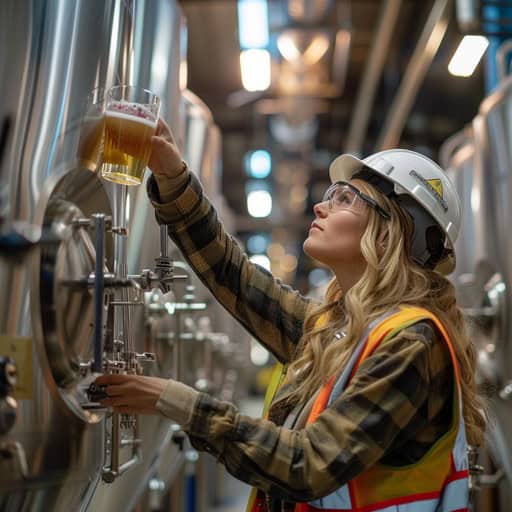
Australian breweries must comply with comprehensive food safety regulations including HACCP principles, licensing requirements, and strict hygiene standards, while understanding the legal distinction between commercial brewing and home brewing laws australia permits for personal use.
The craft beer industry in Australia has experienced remarkable growth, evolving from humble home-brew roots into a sophisticated commercial sector worth billions of dollars. However, with this expansion comes increased responsibility for food safety compliance, regulatory adherence, and comprehensive risk management. Whether you're an established brewery or considering entering the market, understanding Australia's food safety requirements is crucial for protecting your business, customers, and reputation.
Food safety in breweries encompasses far more than basic hygiene practices. It involves complex regulatory frameworks, stringent documentation requirements, and ongoing compliance monitoring that can significantly impact your operations and insurance coverage. The consequences of non-compliance extend beyond immediate health risks to include substantial financial penalties, business closure, and long-term reputational damage.
Understanding Australia's Brewing Regulatory Framework
Australia's brewing industry operates under a multi-layered regulatory system that distinguishes clearly between personal and commercial alcohol production. While home brewing laws australia permits individuals to brew beer for personal consumption without licensing, commercial operations face comprehensive regulatory oversight[1].
The regulatory landscape involves multiple authorities including the Australian Taxation Office (ATO), Food Standards Australia New Zealand (FSANZ), and state-based liquor licensing bodies. Each plays a critical role in ensuring brewery operations meet safety, quality, and legal standards.
Important Legal Distinction
Home brewing for personal use remains legal in Australia without licensing, but any form of distillation requires an excise license from the ATO regardless of quantity or intended use.
Commercial breweries must navigate excise obligations, manufacturing licenses, and comprehensive food safety requirements. The ATO requires registration and ongoing compliance for all commercial alcohol production, with excise duties calculated based on alcohol content and volume. Failure to register appropriately can result in significant penalties and business closure.
Understanding these distinctions is particularly important for entrepreneurs transitioning from home brewing to commercial operations. Many assume their personal brewing experience translates directly to commercial compliance, but the regulatory requirements differ substantially.
Core Food Safety Standards for Breweries
Australian breweries must comply with the Australia New Zealand Food Standards Code, specifically Standard 4.5.1 which covers wine and other fermented beverages[2]. This standard establishes minimum requirements for production, processing, and handling of alcoholic beverages.
The Hazard Analysis and Critical Control Points (HACCP) system forms the foundation of brewery food safety management[3]. HACCP requires systematic identification of potential hazards, establishment of critical control points, and implementation of monitoring procedures throughout the production process.
Essential HACCP Components for Breweries
- Hazard Analysis: Identifying biological, chemical, and physical hazards throughout brewing processes
- Critical Control Points: Determining stages where hazards can be prevented or eliminated
- Critical Limits: Establishing measurable criteria that must be met at each control point
- Monitoring Procedures: Implementing systems to monitor critical control points
- Corrective Actions: Defining steps to take when monitoring indicates deviation from critical limits
- Verification: Confirming the HACCP system is working effectively
- Record Keeping: Maintaining comprehensive documentation of all processes and monitoring activities
Comprehensive HACCP documentation not only ensures compliance but also provides crucial evidence for insurance claims related to product recalls or contamination incidents.
Temperature control represents one of the most critical aspects of brewery food safety. From mashing and fermentation to storage and distribution, maintaining appropriate temperatures prevents harmful bacterial growth and ensures product quality. Breweries must implement robust temperature monitoring systems with automated alerts and backup procedures.
Water quality management is equally crucial, as brewing uses significant volumes of water throughout production. Australian breweries must ensure water sources meet drinking water standards and implement appropriate treatment systems where necessary. Regular testing and documentation of water quality parameters forms an essential compliance requirement.
Hygiene and Sanitation Requirements
Brewery hygiene extends beyond basic cleaning to encompass comprehensive sanitation protocols that eliminate potential contamination sources. Australian regulations require detailed sanitation standard operating procedures (SSOPs) covering all equipment, surfaces, and environmental factors that could impact product safety.
Equipment design and maintenance play crucial roles in meeting hygiene requirements. All brewing equipment must be constructed from food-grade materials and designed to facilitate thorough cleaning and sanitisation. Regular maintenance schedules ensure equipment remains in optimal condition and doesn't become a contamination source.
Key Sanitation Areas
- Personnel Hygiene: Staff training, protective clothing, handwashing facilities, and health monitoring
- Equipment Sanitisation: Clean-in-place (CIP) systems, chemical concentrations, and contact times
- Environmental Controls: Air quality management, pest control, and waste handling procedures
- Cross-contamination Prevention: Segregation of raw materials, work-in-progress, and finished products
Chemical management forms another critical aspect of brewery sanitation. Cleaning and sanitising chemicals must be food-grade approved, properly stored, and used according to manufacturer specifications. Breweries must maintain detailed records of chemical usage and ensure staff are trained in safe handling procedures.
Food businesses must implement and maintain a food safety program based on HACCP principles to systematically identify and control food safety hazards.
— Food Standards Australia New Zealand
Pest control programs require particular attention in brewery environments, where the combination of organic materials, moisture, and warmth can attract various pests. Integrated pest management systems combining physical barriers, environmental modifications, and targeted treatments help maintain pest-free production environments.
Quality Control and Testing Requirements
Quality control in breweries encompasses both food safety and product quality parameters. Australian regulations require systematic testing protocols covering microbiological, chemical, and physical characteristics of both raw materials and finished products.
Microbiological testing focuses on detecting harmful pathogens and spoilage organisms that could compromise product safety or quality. Regular testing of brewing water, work-in-progress samples, and finished beer helps identify potential issues before they impact consumers.
Chemical analysis covers alcohol content verification, which is crucial for excise compliance, as well as detection of potential contaminants such as heavy metals or residual cleaning chemicals. Breweries must maintain calibrated testing equipment and qualified personnel to conduct these analyses.
Laboratory Requirements
Smaller breweries often partner with accredited external laboratories for comprehensive testing, while larger operations may establish in-house laboratory facilities. Regardless of approach, all testing must follow recognised analytical methods and maintain appropriate quality assurance standards.
Our comprehensive brewery insurance fact sheet explains how proper quality control documentation supports insurance coverage in the event of product quality issues or contamination incidents[4].
Licensing and Permit Requirements
Commercial breweries require multiple licenses and permits to operate legally in Australia[5]. The specific requirements vary between states and territories, but generally include liquor manufacturing licenses, development approvals, and trade waste permits.
Liquor manufacturing licenses are issued by state-based authorities and require demonstration of suitable premises, qualified personnel, and comprehensive operational procedures. These licenses typically specify production limits, storage requirements, and distribution restrictions.
Development approvals ensure brewery operations comply with local planning regulations and environmental requirements. Factors such as noise levels, traffic impacts, and waste management must be addressed during the approval process.
Trade waste permits govern the discharge of brewery wastewater, which typically contains high levels of organic matter and requires appropriate treatment before discharge to sewer systems[6]. Breweries must implement wastewater treatment systems and monitor discharge quality regularly.
Ensure your business insurance includes coverage for regulatory investigations and license suspension costs, as these can significantly impact brewery operations and revenue.
Risk Management and Insurance Considerations
Brewery operations involve numerous risks that extend beyond traditional food safety concerns. Product contamination, equipment failure, supply chain disruptions, and regulatory compliance issues can all impact business continuity and financial performance.
Product liability represents a significant concern for breweries, as contaminated or mislabeled products can cause serious harm to consumers and result in substantial legal claims[7]. Comprehensive product liability insurance provides essential protection against these risks.
Professional indemnity insurance becomes relevant for breweries providing consulting services or licensing their recipes to other producers. This coverage protects against claims arising from professional advice or services provided to third parties.
Understanding insurance best practices for Australian breweries helps ensure comprehensive risk coverage while managing insurance costs effectively.
Critical Risk Areas
- Product Recall: Contamination or labeling errors requiring market withdrawal
- Business Interruption: Equipment failure or regulatory action disrupting operations
- Public Liability: Injury to visitors during brewery tours or tastings
- Cyber Risk: Data breaches affecting customer information or operational systems
The importance of tailored product recall policies for the food and beverage industry cannot be overstated, as recall costs can quickly escalate beyond the original contaminated product to include notification costs, investigation expenses, and brand rehabilitation efforts.
Ongoing Compliance and Monitoring
Food safety compliance is not a one-time achievement but requires continuous monitoring, review, and improvement. Australian breweries must implement robust internal audit programs to verify ongoing compliance with food safety standards and regulatory requirements.
Regular third-party audits provide independent verification of food safety systems and can identify improvement opportunities that internal audits might miss. Many breweries pursue voluntary certification schemes such as SQF (Safe Quality Food) or BRC (British Retail Consortium) to demonstrate commitment to food safety excellence.
Staff training represents a crucial component of ongoing compliance. All brewery personnel must receive appropriate food safety training relevant to their roles, with regular refresher sessions to maintain competency levels. Training records must be maintained as part of compliance documentation.
Did You Know
The Australian craft beer industry has grown from less than 100 breweries in 2000 to over 600 today, making compliance education increasingly important for new market entrants.
Regulatory changes require ongoing attention, as food safety standards and licensing requirements evolve in response to emerging risks and industry developments. Breweries must establish systems to monitor regulatory updates and implement necessary changes promptly.
Next Steps: How Midland Insurance Helps
Navigating Australia's complex brewery regulatory environment requires expert guidance and comprehensive insurance protection. As Australia's trusted insurance brokerage for businesses and professionals, Midland Insurance specialises in developing tailored coverage solutions for breweries of all sizes.
Our dedicated breweries and cideries insurance programs provide comprehensive protection covering the unique risks facing Australian brewery operations. From product liability and business interruption to professional indemnity and cyber coverage, we ensure your brewery has appropriate protection.
Understanding that every brewery faces different risks based on their size, production methods, and distribution channels, we work closely with each client to develop customised insurance solutions. Our specialised brewery insurance programs reflect deep industry knowledge and strong insurer relationships.
Our brewery insurance specialists understand the unique challenges facing Australian craft breweries and work to ensure comprehensive protection that supports business growth while managing operational risks.
— Midland Insurance
To discuss your brewery's insurance needs and obtain a competitive quote, contact our specialist team on 1300 306 571 or email contact@midlandinsurance.com.au. Our experienced brokers will assess your specific requirements and recommend appropriate coverage options.
Don't leave your brewery's future to chance. Partner with Midland Insurance to ensure comprehensive protection that supports your business success while meeting all regulatory requirements.
Sources
- National Center for Biotechnology Information. (2019). A short history of beer brewing: Alcoholic fermentation and related microorganisms. PMC. https://pmc.ncbi.nlm.nih.gov/articles/PMC9724654/
- ScienceDirect. (n.d.). Food Standards Australia New Zealand - an overview. Agricultural and Biological Sciences Topics. https://www.sciencedirect.com/topics/agricultural-and-biological-sciences/food-standards-australia-new-zealand
- Frontiers in Nutrition. (2022). Global regulatory frameworks for fermented foods: A review. Frontiers. https://www.frontiersin.org/journals/nutrition/articles/10.3389/fnut.2022.902642/full
- ScienceDirect. (2023). Hazard Analysis and Critical Control Point System (HACCP). Food Safety and Quality Systems. https://www.sciencedirect.com/science/article/pii/B9780128200131000176
- International Agency for Research on Cancer. (2020). Alcohol policies. IARC Publications. https://publications.iarc.who.int/653
- National Center for Biotechnology Information. (2023). Microalgae brewery wastewater treatment: Potentials, benefits and challenges. PMC. https://pmc.ncbi.nlm.nih.gov/articles/PMC6603649/
- BMJ. (2025). 60 seconds on … Alcohol risk labels. The BMJ. https://www.bmj.com/content/390/bmj.r1485
Note: This article provides general information only and does not constitute financial or insurance advice. Always seek professional guidance before making coverage decisions.
Australian breweries must comply with comprehensive food safety regulations including HACCP principles, licensing requirements, and strict hygiene standards, while understanding the legal distinction between commercial brewing and home brewing laws australia permits for personal use.
The craft beer industry in Australia has experienced remarkable growth, evolving from humble home-brew roots into a sophisticated commercial sector worth billions of dollars. However, with this expansion comes increased responsibility for food safety compliance, regulatory adherence, and comprehensive risk management. Whether you're an established brewery or considering entering the market, understanding Australia's food safety requirements is crucial for protecting your business, customers, and reputation.
Food safety in breweries encompasses far more than basic hygiene practices. It involves complex regulatory frameworks, stringent documentation requirements, and ongoing compliance monitoring that can significantly impact your operations and insurance coverage. The consequences of non-compliance extend beyond immediate health risks to include substantial financial penalties, business closure, and long-term reputational damage.
Understanding Australia's Brewing Regulatory Framework
Australia's brewing industry operates under a multi-layered regulatory system that distinguishes clearly between personal and commercial alcohol production. While home brewing laws australia permits individuals to brew beer for personal consumption without licensing, commercial operations face comprehensive regulatory oversight[1].
The regulatory landscape involves multiple authorities including the Australian Taxation Office (ATO), Food Standards Australia New Zealand (FSANZ), and state-based liquor licensing bodies. Each plays a critical role in ensuring brewery operations meet safety, quality, and legal standards.
Important Legal Distinction
Home brewing for personal use remains legal in Australia without licensing, but any form of distillation requires an excise license from the ATO regardless of quantity or intended use.
Commercial breweries must navigate excise obligations, manufacturing licenses, and comprehensive food safety requirements. The ATO requires registration and ongoing compliance for all commercial alcohol production, with excise duties calculated based on alcohol content and volume. Failure to register appropriately can result in significant penalties and business closure.
Understanding these distinctions is particularly important for entrepreneurs transitioning from home brewing to commercial operations. Many assume their personal brewing experience translates directly to commercial compliance, but the regulatory requirements differ substantially.
Core Food Safety Standards for Breweries
Australian breweries must comply with the Australia New Zealand Food Standards Code, specifically Standard 4.5.1 which covers wine and other fermented beverages[2]. This standard establishes minimum requirements for production, processing, and handling of alcoholic beverages.
The Hazard Analysis and Critical Control Points (HACCP) system forms the foundation of brewery food safety management[3]. HACCP requires systematic identification of potential hazards, establishment of critical control points, and implementation of monitoring procedures throughout the production process.
Essential HACCP Components for Breweries
- Hazard Analysis: Identifying biological, chemical, and physical hazards throughout brewing processes
- Critical Control Points: Determining stages where hazards can be prevented or eliminated
- Critical Limits: Establishing measurable criteria that must be met at each control point
- Monitoring Procedures: Implementing systems to monitor critical control points
- Corrective Actions: Defining steps to take when monitoring indicates deviation from critical limits
- Verification: Confirming the HACCP system is working effectively
- Record Keeping: Maintaining comprehensive documentation of all processes and monitoring activities
Comprehensive HACCP documentation not only ensures compliance but also provides crucial evidence for insurance claims related to product recalls or contamination incidents.
Temperature control represents one of the most critical aspects of brewery food safety. From mashing and fermentation to storage and distribution, maintaining appropriate temperatures prevents harmful bacterial growth and ensures product quality. Breweries must implement robust temperature monitoring systems with automated alerts and backup procedures.
Water quality management is equally crucial, as brewing uses significant volumes of water throughout production. Australian breweries must ensure water sources meet drinking water standards and implement appropriate treatment systems where necessary. Regular testing and documentation of water quality parameters forms an essential compliance requirement.
Hygiene and Sanitation Requirements
Brewery hygiene extends beyond basic cleaning to encompass comprehensive sanitation protocols that eliminate potential contamination sources. Australian regulations require detailed sanitation standard operating procedures (SSOPs) covering all equipment, surfaces, and environmental factors that could impact product safety.
Equipment design and maintenance play crucial roles in meeting hygiene requirements. All brewing equipment must be constructed from food-grade materials and designed to facilitate thorough cleaning and sanitisation. Regular maintenance schedules ensure equipment remains in optimal condition and doesn't become a contamination source.
Key Sanitation Areas
- Personnel Hygiene: Staff training, protective clothing, handwashing facilities, and health monitoring
- Equipment Sanitisation: Clean-in-place (CIP) systems, chemical concentrations, and contact times
- Environmental Controls: Air quality management, pest control, and waste handling procedures
- Cross-contamination Prevention: Segregation of raw materials, work-in-progress, and finished products
Chemical management forms another critical aspect of brewery sanitation. Cleaning and sanitising chemicals must be food-grade approved, properly stored, and used according to manufacturer specifications. Breweries must maintain detailed records of chemical usage and ensure staff are trained in safe handling procedures.
Food businesses must implement and maintain a food safety program based on HACCP principles to systematically identify and control food safety hazards.
— Food Standards Australia New Zealand
Pest control programs require particular attention in brewery environments, where the combination of organic materials, moisture, and warmth can attract various pests. Integrated pest management systems combining physical barriers, environmental modifications, and targeted treatments help maintain pest-free production environments.
Quality Control and Testing Requirements
Quality control in breweries encompasses both food safety and product quality parameters. Australian regulations require systematic testing protocols covering microbiological, chemical, and physical characteristics of both raw materials and finished products.
Microbiological testing focuses on detecting harmful pathogens and spoilage organisms that could compromise product safety or quality. Regular testing of brewing water, work-in-progress samples, and finished beer helps identify potential issues before they impact consumers.
Chemical analysis covers alcohol content verification, which is crucial for excise compliance, as well as detection of potential contaminants such as heavy metals or residual cleaning chemicals. Breweries must maintain calibrated testing equipment and qualified personnel to conduct these analyses.
Laboratory Requirements
Smaller breweries often partner with accredited external laboratories for comprehensive testing, while larger operations may establish in-house laboratory facilities. Regardless of approach, all testing must follow recognised analytical methods and maintain appropriate quality assurance standards.
Our comprehensive brewery insurance fact sheet explains how proper quality control documentation supports insurance coverage in the event of product quality issues or contamination incidents[4].
Licensing and Permit Requirements
Commercial breweries require multiple licenses and permits to operate legally in Australia[5]. The specific requirements vary between states and territories, but generally include liquor manufacturing licenses, development approvals, and trade waste permits.
Liquor manufacturing licenses are issued by state-based authorities and require demonstration of suitable premises, qualified personnel, and comprehensive operational procedures. These licenses typically specify production limits, storage requirements, and distribution restrictions.
Development approvals ensure brewery operations comply with local planning regulations and environmental requirements. Factors such as noise levels, traffic impacts, and waste management must be addressed during the approval process.
Trade waste permits govern the discharge of brewery wastewater, which typically contains high levels of organic matter and requires appropriate treatment before discharge to sewer systems[6]. Breweries must implement wastewater treatment systems and monitor discharge quality regularly.
Ensure your business insurance includes coverage for regulatory investigations and license suspension costs, as these can significantly impact brewery operations and revenue.
Risk Management and Insurance Considerations
Brewery operations involve numerous risks that extend beyond traditional food safety concerns. Product contamination, equipment failure, supply chain disruptions, and regulatory compliance issues can all impact business continuity and financial performance.
Product liability represents a significant concern for breweries, as contaminated or mislabeled products can cause serious harm to consumers and result in substantial legal claims[7]. Comprehensive product liability insurance provides essential protection against these risks.
Professional indemnity insurance becomes relevant for breweries providing consulting services or licensing their recipes to other producers. This coverage protects against claims arising from professional advice or services provided to third parties.
Understanding insurance best practices for Australian breweries helps ensure comprehensive risk coverage while managing insurance costs effectively.
Critical Risk Areas
- Product Recall: Contamination or labeling errors requiring market withdrawal
- Business Interruption: Equipment failure or regulatory action disrupting operations
- Public Liability: Injury to visitors during brewery tours or tastings
- Cyber Risk: Data breaches affecting customer information or operational systems
The importance of tailored product recall policies for the food and beverage industry cannot be overstated, as recall costs can quickly escalate beyond the original contaminated product to include notification costs, investigation expenses, and brand rehabilitation efforts.
Ongoing Compliance and Monitoring
Food safety compliance is not a one-time achievement but requires continuous monitoring, review, and improvement. Australian breweries must implement robust internal audit programs to verify ongoing compliance with food safety standards and regulatory requirements.
Regular third-party audits provide independent verification of food safety systems and can identify improvement opportunities that internal audits might miss. Many breweries pursue voluntary certification schemes such as SQF (Safe Quality Food) or BRC (British Retail Consortium) to demonstrate commitment to food safety excellence.
Staff training represents a crucial component of ongoing compliance. All brewery personnel must receive appropriate food safety training relevant to their roles, with regular refresher sessions to maintain competency levels. Training records must be maintained as part of compliance documentation.
Did You Know
The Australian craft beer industry has grown from less than 100 breweries in 2000 to over 600 today, making compliance education increasingly important for new market entrants.
Regulatory changes require ongoing attention, as food safety standards and licensing requirements evolve in response to emerging risks and industry developments. Breweries must establish systems to monitor regulatory updates and implement necessary changes promptly.
Next Steps: How Midland Insurance Helps
Navigating Australia's complex brewery regulatory environment requires expert guidance and comprehensive insurance protection. As Australia's trusted insurance brokerage for businesses and professionals, Midland Insurance specialises in developing tailored coverage solutions for breweries of all sizes.
Our dedicated breweries and cideries insurance programs provide comprehensive protection covering the unique risks facing Australian brewery operations. From product liability and business interruption to professional indemnity and cyber coverage, we ensure your brewery has appropriate protection.
Understanding that every brewery faces different risks based on their size, production methods, and distribution channels, we work closely with each client to develop customised insurance solutions. Our specialised brewery insurance programs reflect deep industry knowledge and strong insurer relationships.
Our brewery insurance specialists understand the unique challenges facing Australian craft breweries and work to ensure comprehensive protection that supports business growth while managing operational risks.
— Midland Insurance
To discuss your brewery's insurance needs and obtain a competitive quote, contact our specialist team on 1300 306 571 or email contact@midlandinsurance.com.au. Our experienced brokers will assess your specific requirements and recommend appropriate coverage options.
Don't leave your brewery's future to chance. Partner with Midland Insurance to ensure comprehensive protection that supports your business success while meeting all regulatory requirements.
Sources
- National Center for Biotechnology Information. (2019). A short history of beer brewing: Alcoholic fermentation and related microorganisms. PMC. https://pmc.ncbi.nlm.nih.gov/articles/PMC9724654/
- ScienceDirect. (n.d.). Food Standards Australia New Zealand - an overview. Agricultural and Biological Sciences Topics. https://www.sciencedirect.com/topics/agricultural-and-biological-sciences/food-standards-australia-new-zealand
- Frontiers in Nutrition. (2022). Global regulatory frameworks for fermented foods: A review. Frontiers. https://www.frontiersin.org/journals/nutrition/articles/10.3389/fnut.2022.902642/full
- ScienceDirect. (2023). Hazard Analysis and Critical Control Point System (HACCP). Food Safety and Quality Systems. https://www.sciencedirect.com/science/article/pii/B9780128200131000176
- International Agency for Research on Cancer. (2020). Alcohol policies. IARC Publications. https://publications.iarc.who.int/653
- National Center for Biotechnology Information. (2023). Microalgae brewery wastewater treatment: Potentials, benefits and challenges. PMC. https://pmc.ncbi.nlm.nih.gov/articles/PMC6603649/
- BMJ. (2025). 60 seconds on … Alcohol risk labels. The BMJ. https://www.bmj.com/content/390/bmj.r1485
Note: This article provides general information only and does not constitute financial or insurance advice. Always seek professional guidance before making coverage decisions.